
Overview
The Visual Effects, Video Game & Digital Arts BA is a practice-led degree for creatives who want to work across the full breadth of digital production. You'll develop real experience across 3D production, visual effects, game design, animation and interactive digital arts, working on finished projects with real briefs and real deadlines from week one.
Along the way you'll develop the technical range and creative judgment to move confidently across disciplines, and the artistic voice to make work that is distinctly yours.
- Build a hybrid creative practice across VFX, animation, game design and interactive digital arts, on a programme designed for a field where the boundaries between film, games, advertising and immersive media no longer hold
- Develop a genuine toolkit: 3D asset creation, game environment design, real-time rendering, digital compositing, animation and visual effects, with the critical thinking to know when each one serves the work
- Graduate with a portfolio and showreel that reflect three years of finished projects, ready for industry roles or independent practice
Whether you're coming in with a developed creative practice or simply a strong pull toward this growing field, the programme meets you where you are and builds from there. Because learning is practice-led and projects are shaped around your own creative interests, your development is yours from the start.
You can study this programme as a full three-year BA (Hons) or complete the first year as a standalone one-year HE Certificate.
Key skills you’ll gain
You don't need to arrive knowing exactly what you want to make. Throughout this programme you'll build fluency across every discipline before you commit to a direction, developing both the technical range and the creative judgment that serious work requires.
By graduation you'll have fluency across:
- 3D modelling, texturing, animation, lighting and rendering
- Compositing, simulation and visual effects production
- Game environment design and Unreal Engine development
- Real-time and generative systems using TouchDesigner and related tools
- Interactive installation and immersive media design
- The full toolkit: Houdini, Maya, Nuke, Unreal Engine 5, ZBrush, Substance Painter and more
You'll also develop the critical thinking to evaluate new tools as the field evolves, not just fluency in the ones that exist today.
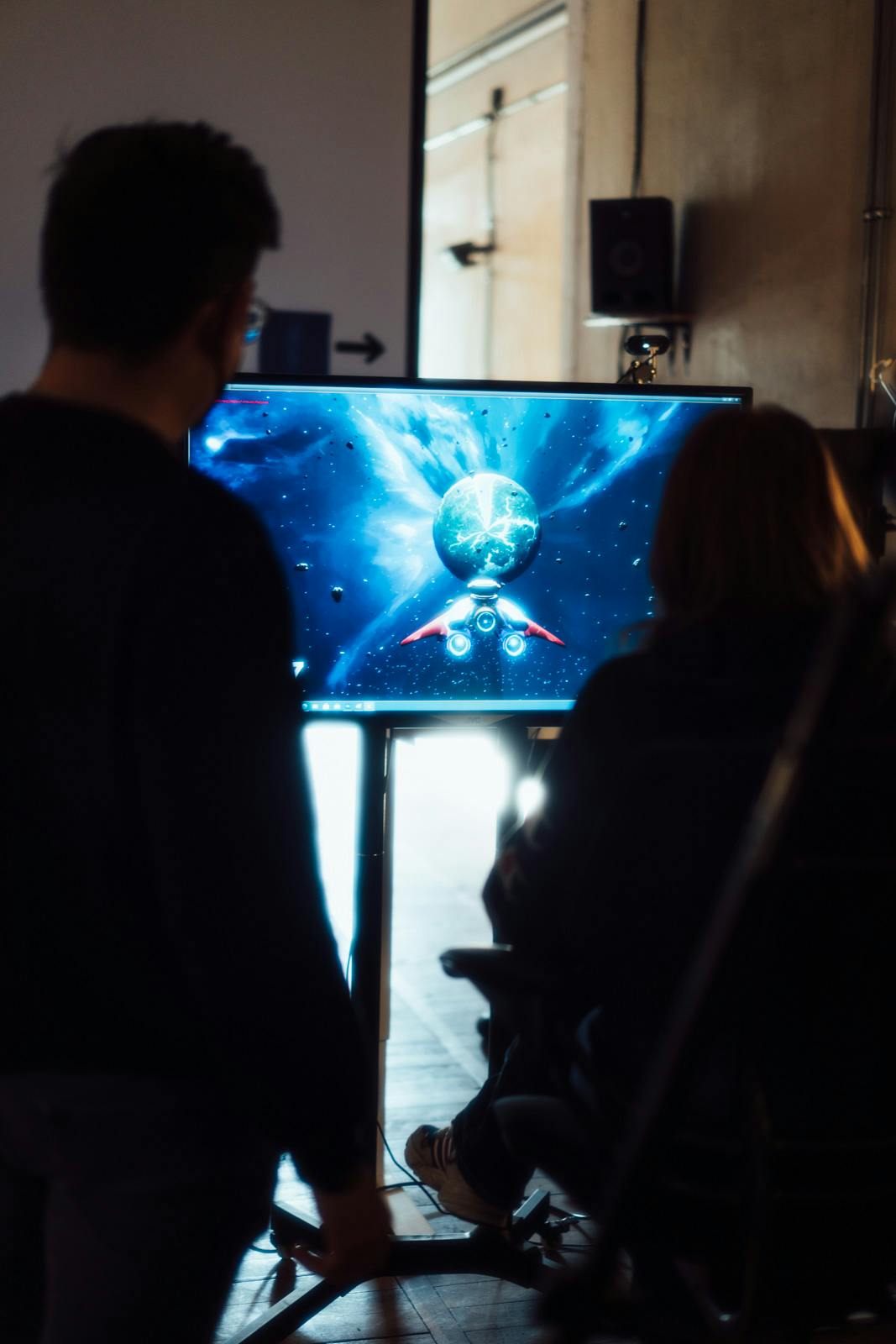
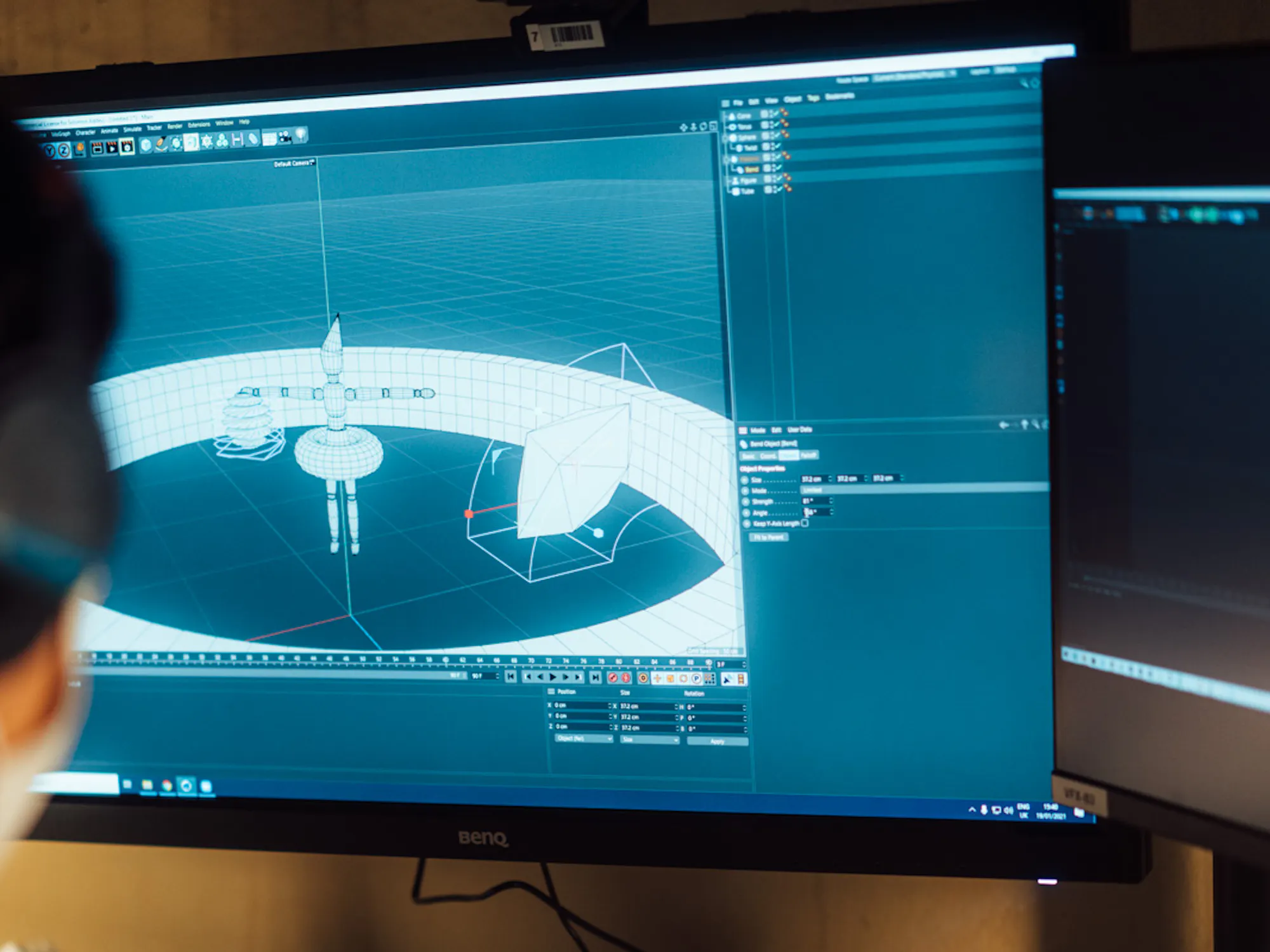
Get hands-on access to state-of-the-art facilities and bookable gear
Designed to support how you learn, create and experiment – every detail of our spaces was built with our students in mind. Here are just a few highlights:


Course structure
Year 1 (HE Certificate)
Year 1 is deliberately wide. You rotate through four production studios: Animation, VFX Film, Game Design and Digital Art, spending six weeks in each and completing a project with a real brief and deliverable in every studio. You work across the whole field before you commit to a direction, which means by the time you do specialise, you know why.
Two core courses run throughout: 3D Assets, building your technical foundation across all disciplines, and Project Development, where you research, iterate and develop your skills in critique and presentation. You'll build a digital portfolio showcasing your projects, technical skills, concepts and creative process.
Learning Outcomes
By the end of Year 1, you will:
- Produce finished work across all four disciplines: animation, VFX, game design and interactive digital art
- Build, texture and prepare 3D assets for use across game, animation and VFX pipelines
- Take a project from brief to finished output in each studio, working to real deadlines
- Understand how skills and techniques transfer across different creative disciplines
- Develop critique skills and the ability to iterate work based on feedback
Year 2 (BA)
In Year 2 the focus shifts from breadth to depth. You work across four interconnected hybrid tracks: Game World Building, Character Animation, Multimedia Installation and Real-Time Visual Effects, merging disciplines into integrated production systems rather than advancing them separately.
Two core courses continue: 3D Assets II, advancing into high-resolution sculpting and procedural asset creation, and Project Development II, now team-based. You take greater ownership of your process from concept and supervision through to delivery, refining your artistic voice alongside your technical range.
Learning Outcomes
By the end of Year 2, you will be able to:
- Combine skills across game design, character animation, VFX and interactive media in integrated projects
- Apply advanced techniques in 3D asset creation, motion, simulation and procedural generation
- Design and develop real-time interactive systems including projection mapping and generative visuals
- Deepen your storytelling and visual narrative skills across multiple formats
- Collaborate in team-based projects and deliver work to professional pipeline and deadline standards
Year 3 (BA)
In your final year you take creative lead on a single major project, developed across both semesters under dedicated mentorship. You choose either a large-scale hybrid project integrating multiple disciplines, or a focused specialisation developed in depth within a mentor's studio. Either way, this is where three years of technical range and creative development come together into a body of work that is entirely yours.
You operate within a defined production role throughout: Director, Art Director, Technical Director, Lead Artist or Production Manager. The year mirrors the structure of a working studio.
Learning Outcomes
Year 3 is your official transition from student to professional creator in the world of visual storytelling.
By the end of Year 3, you will be able to:
- Define, research, plan and produce a major artistic project from concept to public showcase
- Pitch and propose work effectively within industry contexts
- Work in a defined production role contributing to a team with shared deadlines and standards
- Pursue your chosen specialisation with depth and focus
- Present your completed work at a public showcase
Get comfortable sharing your work
Showcasing your work is a defining moment of the programme and a celebration of your growth, your creative voice and the professional portfolio you're building.
Is Visual Effects, Video Game & Digital Arts for me?
This course is for you if:
- You're drawn to animation, VFX, games and interactive art, whether you've been exploring these areas for a while or are just starting to find your direction
- You want to build fluency across all of them, not just one
- You want to develop a creative voice, not just a technical skillset
- You do your best work alongside other people, and the energy of the room matters to you
- You want honest feedback from tutors who are still active in the field themselves
If you already know exactly what you want to specialise in and want narrow technical training, this probably isn't the right programme. If you want to discover your direction through making, it is.
Progression & careers
Graduating from this programme gives you the skills and confidence to shape your own creative path in film, gaming, advertising, animation, or immersive media. Potential roles include:
- VFX artist or supervisor
- Technical director
- Animator or motion graphics designer
- 3D modeller or environment artist
- Compositor or post-production specialist
- Generative and interactive media artist
- Creative technologist or multimedia artist
The programme prepares you for the breadth of where the field is heading, not just where it stands today. Some graduates go into independent or freelance practice, combining technical precision with a distinctive artistic voice. With Berlin’s vibrant creative scene nearby, you’ll have ample opportunities to experiment, collaborate, and grow your professional network from day one.

A future-proof creative toolkit
The creative industries are changing quickly, and the skills that matter most are the ones that travel. Alongside hands-on production experience, you'll develop the abilities that sustain a creative career across whatever the field becomes:
- Critical thinking and problem-solving: evaluating new tools, including AI, real-time rendering and procedural generation, on their creative merits rather than their novelty
- Collaboration and communication across disciplines, working within team structures that reflect how the industry actually operates
- Creative risk-taking and the confidence to experiment, iterate and learn from what doesn't work
- Leadership, self-direction and project management, from running your own practice to contributing to large-scale productions
You'll leave not just with a portfolio, but with the judgment to keep evolving. Because you'll understand the systems underneath the tools, the next technology shift is something you'll be ready for.

Student experience
At Catalyst, your work happens in the open. VFX students share the campus with musicians, actors, writers and filmmakers, and that proximity shapes what you make. You might end a green screen session and find yourself building interactive visuals for an acting showcase, or working alongside music students on a live performance installation. The people you're around will always influence what and how you make. At Catalyst, those people take the work as seriously as you do.
Guest Sessions bring visiting artists and industry professionals into the building throughout the year. Collaborative showcases take student work into public settings including Signals Festival and MANIFEST:IO. You'll have opportunities to pitch and screen your work throughout your studies.
Wellbeing support and one-to-one coaching are available throughout, because sustaining a creative practice is as much about how you work as what you make.

“As a VFX student, I was expecting to spend most of my time behind computers but the diversity of the VFX programme is beyond what I expected.”
– Savina Janssen, special effects prop maker and Visual Effects alumna
Admissions
Entry requirements
All applicants will be asked to provide: personal and educational information, documentation of their education experience, a portfolio and a personal introduction (which can be submitted as a written statement of motivation or a video/audio clip). Visit our How To Apply page for more detail.
MINIMUM ENTRY REQUIREMENTS
- Standard entry: graduation from high school at a level which would normally permit entry to university in the country where it was gained. This would be A-Levels in the UK and the Abitur in Germany, for example.
- Non-standard entry: We recognise that not all education happens in the classroom and it may be possible to admit you through a non-standard access route. If you do not possess the required formal qualification, but have acquired relevant professional or life experience, please contact our Admissions team.
If neither of the two categories above describe your situation, you'll most likely need to complete a short course to gain access to our 1 and 3-year HE degree courses.
LANGUAGE
- Language: The language of instruction in all our courses is English and applicants must demonstrate a level equal to IELTS 6 (equivalent to B2 in Germany and other EU countries). You can either submit a language certificate or can take our free 90 min online test.
For more information please contact our Admissions team and we’d be happy to discuss your opportunities to come study with us.
Course dates and application deadlines
Course start: Mid-September 2026
Applications open: Mid-October 2025
Application deadlines
Visa-required applicants
Applicants from countries requiring a visa before entering Germany:
- General deadline: 30 April 2026 (subject to visa processing time)
EU/visa-exempt or post-arrival applicants:
Applicants from EU/EEA, Switzerland, or countries allowing visa-free entry (e.g. USA, Canada, Japan, South Korea):
- General deadline: 5 June 2026
- Late applications: Until 28 August 2026 (subject to availability)
What does “visa” or “visa-exempt” mean?
- Visa-required: If you require a visa before entering Germany (e.g. citizens of India, Brazil, Mexico, China, Turkey), you must apply at a German embassy before arrival. Our Visa Support Service (included in the enrolment fee) supports you with paperwork, appointments and timelines. Visa processing can take 3–6 months, so early application is essential.
- Post-arrival visa: If you're from a country that allows visa-free entry (e.g. USA, Canada, Japan, South Korea), you can enter Germany without a visa and apply for your student residence permit after arrival.
- Visa-exempt (EU/EEA/Switzerland): If you're a citizen of the EU, EEA or Switzerland, you don't need a visa or residence permit to study in Germany.
You can check your visa requirements here.
Tuition fees - from €6,028 per semester
Payment options*
- Per semester: €6,028
- Annual payment: €11,693 per year (3% discount)
- Flexible plans: Monthly and extended payment options available
- Upfront discount: Save 8% on total tuition when paying in full
- For detailed payment plans please download the Course Guide
*Enrolment fee: €895 per study year (non-refundable, due before each academic year begins). Visa support is included as part of the enrolment fee.
Financial support
- Eligible for BAföG and other national funding schemes you can check here.
Multiple-course bonus:
If you decide to enrol in both a 4-week Summer Short Course and a degree course with us in within two years, you will receive a discount of 500€ on the total tuition.
Funding opportunities
As an officially accredited higher education institute based in Berlin, Catalyst offers access to a range of national funding opportunities for eligible students, such as BAföG.
Visit our funding guide to explore the most common options available to our students, both in Germany and across Europe.
Open days, Q&As and taster workshops
Get a feel for Catalyst and our courses at a range of both online and in-person events. Join us at a Virtual Open Day or an Open House session at our campus in Berlin, chat to our programme leads at Meet The Tutor, or try a taster workshop.
Funding opportunities
As an officially accredited higher education institute based in Berlin, Catalyst offers access to a range of national funding opportunities for eligible students, including BAföG and other public financial aid schemes available across Germany and the EU.
In addition to public funding, Catalyst offers a variety of scholarships designed to support diversity, equity, and access in the creative arts. These include:
- General and school-specific scholarships across all Bachelor's and Master's programmes
- Up to €6,000 in tuition support for Bachelor’s students (spread over three years)
- Relocation support scholarships for international students moving to Berlin
To learn more about these opportunities and how to apply, visit our full Funding Your Studies guide.
Ways to connect
Whether in person or online, we can't wait to meet you!


Learn from the experts
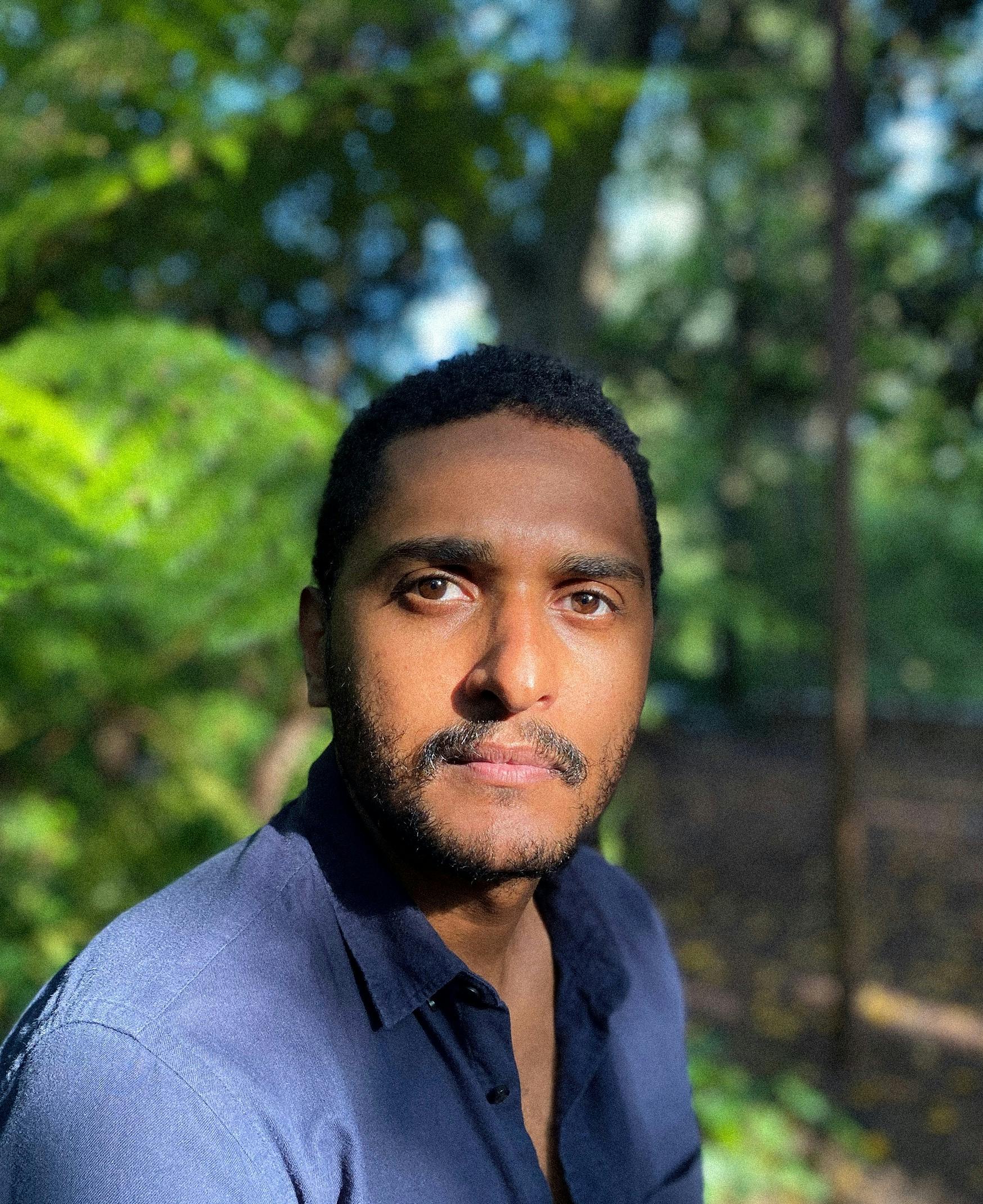
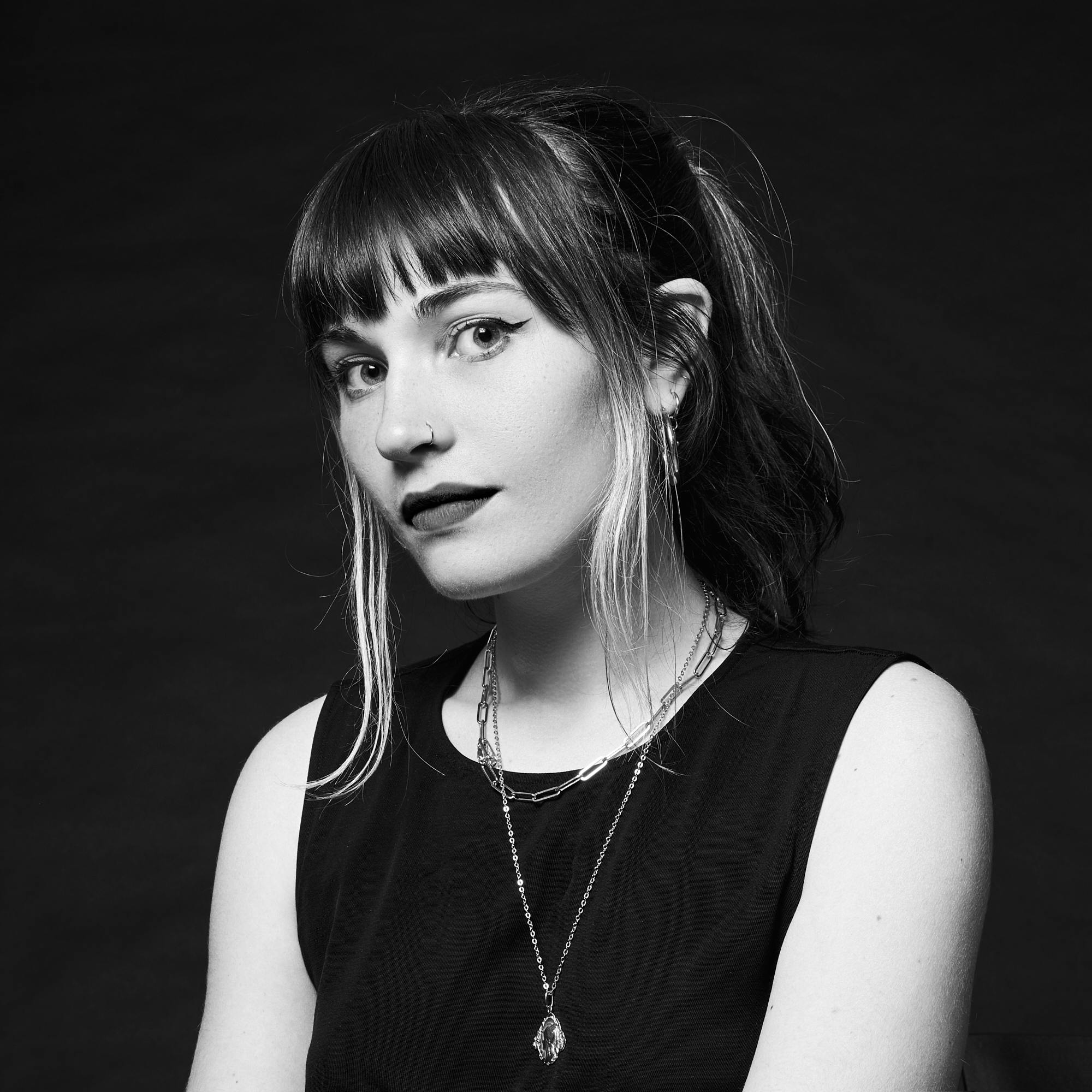
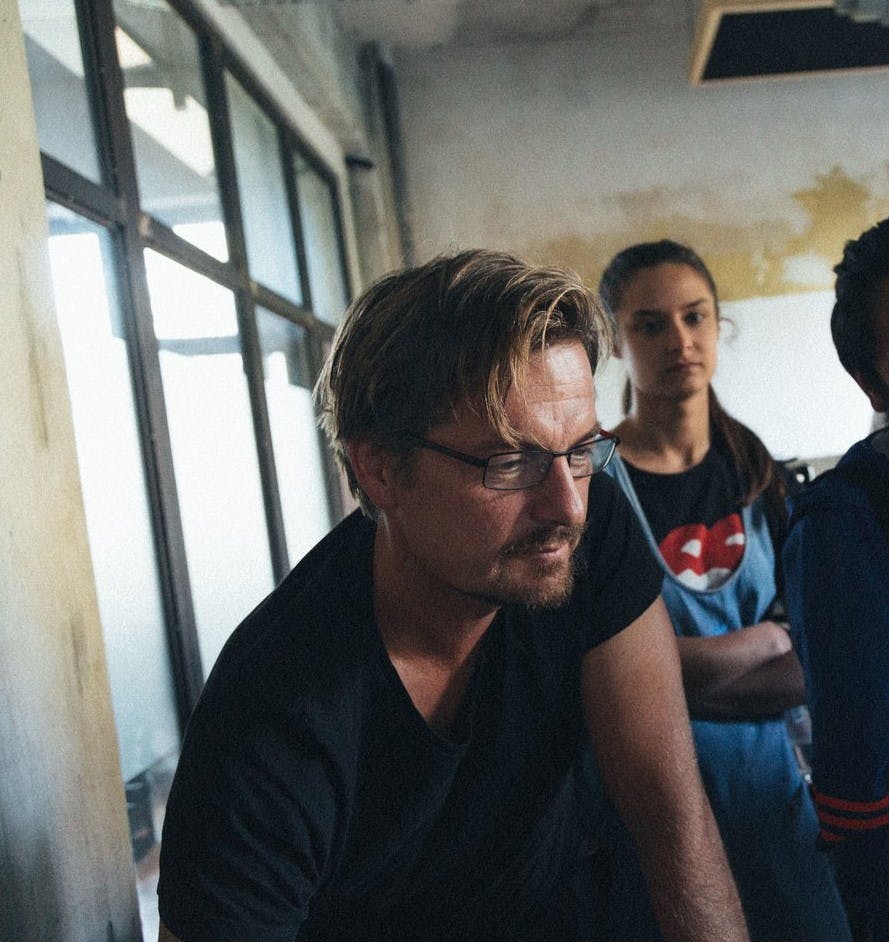
Throughout the programme you’ll learn from industry-acclaimed experts in their field, with a passion for passing on their knowledge to others.
Your Programme Lead
Awu (Yuhua Li) is an artist, video game developer, film director and theatre producer. She expands the boundary between video games and theatre, combining them into a new and interesting form. She created the interactive video game theatre piece Virtual Collision and performed the piece with a 4D Sound System in Muffathalle in Munich. The 4D Sound System was developed by Ableton, and provided an immersive audio playback environment.




“Our tutors have really pushed us to advance our skills and techniques, as well as encouraged us to forge the pathway we think best suits our desires as artists.”
– Marlee Weinberg, Visual Effects alumna
Student work & latest stories
In the end, it’s our students’ work that counts. Take a look at a selection of recent projects and stories below.